The Vital Benefits of Emulsifiers for Smooth and Secure Mixes
Emulsifiers are essential in creating smooth and stable combinations throughout different industries. They decrease surface area tension in between immiscible liquids, leading to boosted texture and total sensory experiences. In food and cosmetics, their role extends beyond mere mixing; they also improve shelf life and product honesty. Recognizing the kinds and applications of emulsifiers discloses their significance in formula processes. The nuances of their effectiveness warrant further expedition.
Recognizing Emulsifiers: The Scientific Research Behind the Blend
Although emulsifiers are commonly ignored in daily cooking and food production, they play a vital function in supporting combinations that would certainly or else divide. Emulsifiers are substances that lower surface area tension between two immiscible liquids, such as oil and water. They possess both hydrophilic (water-attracting) and hydrophobic (water-repelling) homes, permitting them to connect with both phases. This distinct particular makes it possible for emulsifiers to develop a stable user interface, preventing the separation of liquids and fats.
Typical instances of emulsifiers include lecithin, often stemmed from eggs or soybeans, and mono- and diglycerides. These materials produce an uniform appearance in products like mayonnaise, salad dressings, and sauces. The scientific research behind emulsifiers copyrights on their capacity to develop a secure emulsion, which is vital for attaining desirable food quality and life span. Recognizing the function of emulsifiers is vital for food scientists and cooking specialists aiming for regular outcomes.
Culinary Applications: Enhancing Taste and Structure
Emulsifiers substantially boost cooking applications by boosting both flavor and structure in a variety of food items (emulsifiers). They play a crucial role in developing steady solutions, which are crucial for sauces, dressings, and mayo. By making it possible for the even circulation of fats and water, emulsifiers ensure that flavors are unified and well-blended, enhancing the total preference experience
In baked items, emulsifiers add to a finer crumb framework and boosted dampness retention, causing items that are soft and appealing. Additionally, they help prolong shelf life by stopping splitting up and preserving freshness.
In dairy products, emulsifiers aid in creating smooth textures, necessary for products like gelato and lotion cheese, where mouthfeel greatly affects customer pleasure. Generally, the usage of emulsifiers in culinary applications not just boosts flavor accounts yet also boosts the sensory experience of different food things, making them more pleasurable and attractive.
Cosmetic Utilizes: Producing Extravagant Solutions
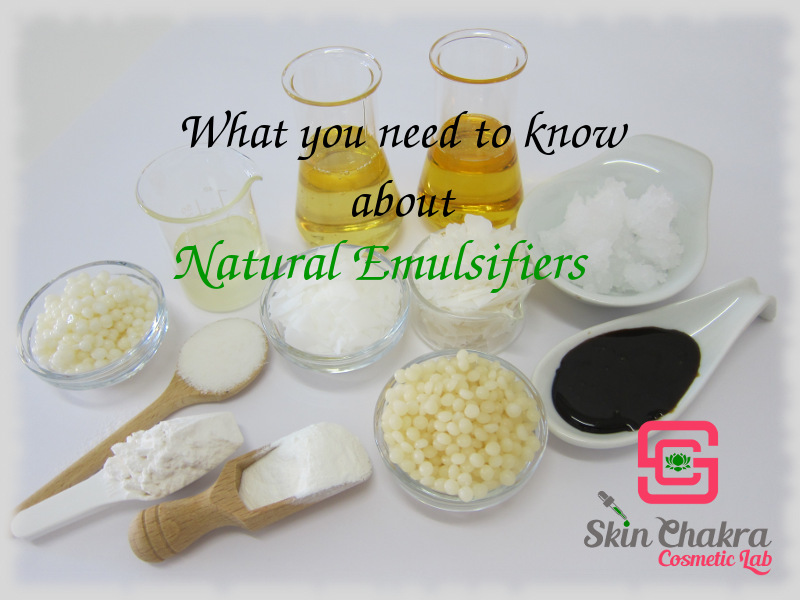
When formulating cosmetic products, the inclusion of emulsifiers is vital for achieving extravagant and smooth structures. These representatives facilitate the mixing of water and oil phases, producing secure solutions that enhance product performance and individual experience. Emulsifiers not only improve the uniformity of lotions and lotions yet additionally add to the total sensory features, enabling a much more positive application and really feel on the skin.
In addition, emulsifiers play a vital function in the efficient shipment of energetic ingredients, guaranteeing that they stay equally dispersed throughout the formulation. This consistent distribution enhances the product's efficacy, giving targeted advantages such as hydration, anti-aging, and security. The right emulsifier can give a preferred viscosity, stopping splitting up and maintaining item stability over time. Ultimately, emulsifiers are indispensable in creating high-grade cosmetic formulas that satisfy customer expectations for deluxe and effectiveness.
Kinds of Emulsifiers: All-natural vs. Synthetic
Comprehending the differences between artificial and natural emulsifiers is essential for formulators intending to enhance cosmetic products. All-natural emulsifiers, acquired from plant or animal resources, include active ingredients like lecithin, beeswax, and numerous gums. They are commonly preferred for their skin-friendly buildings and biodegradability. In addition, they can boost the sensory account of solutions, giving a more attractive texture and really feel.
On the other hand, artificial emulsifiers are chemically engineered to develop details capabilities and security. Common instances consist of polysorbates and stearic acid. These emulsifiers generally use exceptional efficiency regarding emulsification effectiveness and shelf-life stability. They may increase issues regarding skin level of sensitivity and ecological influence.
Eventually, the option in between all-natural and artificial emulsifiers relies on the wanted product features, solution objectives, and customer preferences, highlighting the significance of recognizing their unique properties. emulsifiers.
The Duty of Emulsifiers in Food Conservation

Tips for Using Emulsifiers Successfully in Recipes and Products
When making use of emulsifiers in items and dishes, picking the proper kind is vital for achieving desired results. Furthermore, utilizing proper blending techniques can considerably improve the security of emulsified blends. Understanding storage techniques and shelf life guarantees the longevity and performance of these emulsifiers.
Choosing the Right Emulsifier
Picking the suitable emulsifier can considerably enhance the structure and stability of a combination, as the right selection depends upon the particular components and preferred result. Various aspects influence this choice, including the kind of oils or fats, the presence of water, and the target consistency. Lecithin is excellent for dressings and sauces, while xanthan gum works well in gluten-free baking. Additionally, the emulsifier's compatibility with various other active ingredients plays a significant role in attaining the preferred stability. It is vital to take into consideration the temperature variety of the application, as some emulsifiers carry out better under particular conditions. Ultimately, comprehending the features of each emulsifier will certainly bring about extra efficient formulation in items and dishes.
Correct Blending Strategies
Utilizing reliable mixing strategies is crucial for attaining suitable emulsification in products and dishes. It is crucial to present emulsifiers gradually, permitting them to spread evenly throughout the mix. High-shear mixing approaches, such as using a blender or food processor or an immersion mixer, can enhance emulsifier performance by damaging down fat blobs. Maintaining a consistent temperature level throughout mixing likewise aids in accomplishing a secure solution, as fats and liquids can mix much more efficiently when warmed up. In addition, integrating components in the proper order-- starting with the liquid phase followed by the fat stage-- ensures even circulation. Ultimately, blending need to continue till the wanted consistency is reached, staying clear of over-mixing, which can bring about separation. Proper strategies eventually result in smoother, a lot more secure solutions.
Storage Space and Shelf Life
Although the efficiency of emulsifiers can substantially boost the top quality of blends, appropriate storage and interest to service life are important for maintaining their performance. Emulsifiers ought to be saved in an amazing, dry atmosphere, far from straight sunshine and dampness, which can degrade their residential or commercial properties. It is a good idea to keep them in closed containers to stop contamination and oxidation. Additionally, examining the expiration dates and sticking to recommended storage standards can maximize their performance. Normal assessments of structure and security in blends can show whether the emulsifier is still functioning properly. By following these storage techniques, users can ensure that their emulsifiers continue to be powerful, leading to consistently smooth and steady combinations in products and dishes.
Regularly Asked Questions
Are Emulsifiers Safe for Individuals With Dietary Restrictions?
Emulsifiers can be safe for people with nutritional restrictions, depending upon their resource and composition. It's necessary for those with allergies or particular nutritional needs to carefully examine component labels and talk to healthcare experts.
How Do Emulsifiers Impact the Life Span of Products?
Emulsifiers improve the rack life of items by stabilizing mixtures, avoiding splitting up, and informative post decreasing putridity. Their capacity to keep uniformity assists assure long life, eventually preserving flavor, appearance, and general high quality in numerous food products.
Can I Make Emulsifiers at Home?
Yes, home made emulsifiers can be developed using all-natural components like egg yolks, mustard, or honey. These options can aid blend oil and water, however results may vary based upon the particular dish and technique made use of.
What Are Typical Emulsifier Allergies to Expect?
Usual emulsifier allergic reactions include reactions to soy lecithin, egg yolk, and dairy-based emulsifiers. People with level of sensitivities may experience signs like hives, intestinal distress, or breathing concerns upon direct exposure to these ingredients in different food.
Just How Do Emulsifiers Impact Nutritional Value?
Emulsifiers can affect nutritional worth by improving nutrition absorption and bioavailability - emulsifiers. However, too much usage might lead to nutrition loss or inequality, possibly affecting health and wellness results, especially in refined foods where they prevail
Emulsifiers substantially boost culinary applications by enhancing both flavor and structure in a selection of food items. In dairy items, emulsifiers help in producing smooth appearances, essential for products like ice lotion and cream cheese, where mouthfeel substantially influences consumer enjoyment. In the domain name of food conservation, emulsifiers play a significant function in maintaining the quality and shelf-life of different products. In items like salad dressings and sauces, emulsifiers help helpful resources to keep structure and taste stability over time, guaranteeing that the food continues to be enticing to consumers. Common emulsifier allergies consist of responses to soy lecithin, egg yolk, and dairy-based emulsifiers.
Comments on “How do emulsifiers in recipes?”